Big Dogs Deserve
Bigger Answers.
Decoding Great Dane health and genetics — from dilute gene panels to the quiet math of why some Danes live eleven years and others barely reach six.
Avg. Lifespan
→ 9.1 yrs with screening
DCM Risk Breed
Cardiac screening critical
CHIC Certified
Hip · Eye · Thyroid · Cardiac
The science is more surprising
than you think.
Average Lifespan
6 yrsWithout cardiac screening
With Cardiac Screening
7.4 yrsEcho + OFA protocol
Wobbler's Syndrome
0%Of Great Danes affected
GDV Risk Reduction
0xWith prophylactic gastropexy
Giant breeds grow at roughly 3× the rate of small dogs in their first year — placing enormous stress on developing bones, joints, and cardiac muscle. This rapid growth compresses the aging curve, making early health screening not just helpful, but life-extending.
Where do you want
to go from here?
Primary Path
Find a Health-Tested Breeder
Searchable directory filtered by OFA certification and genetic panel status. Every listing verified by our team.
Stonebridge Great Danes
CHIC Certified
Ridgeline Danes
Low COI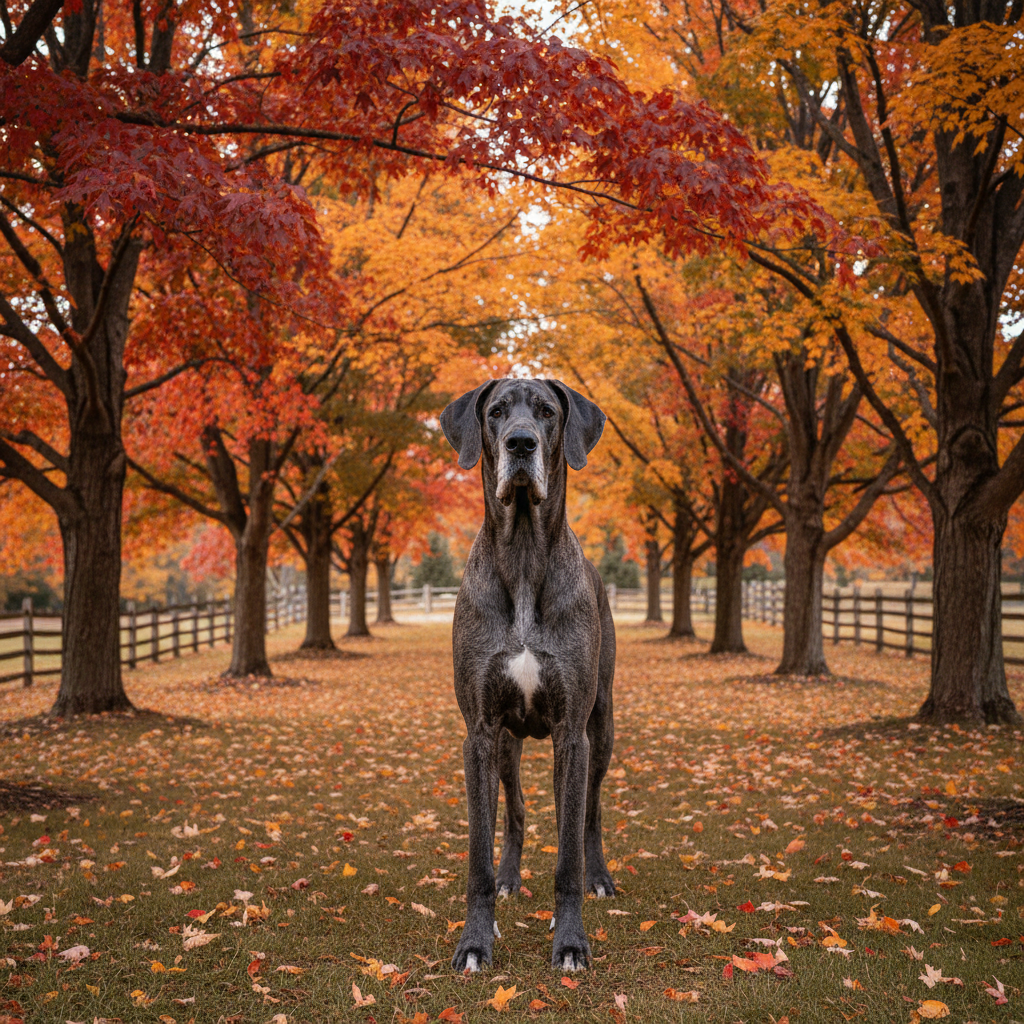
Maplecroft Gentle Giants
VerifiedSecondary Path
Vet-Approved Kit
Curated supplement and testing bundles, vetted by board-certified veterinary cardiologists and orthopedic specialists.
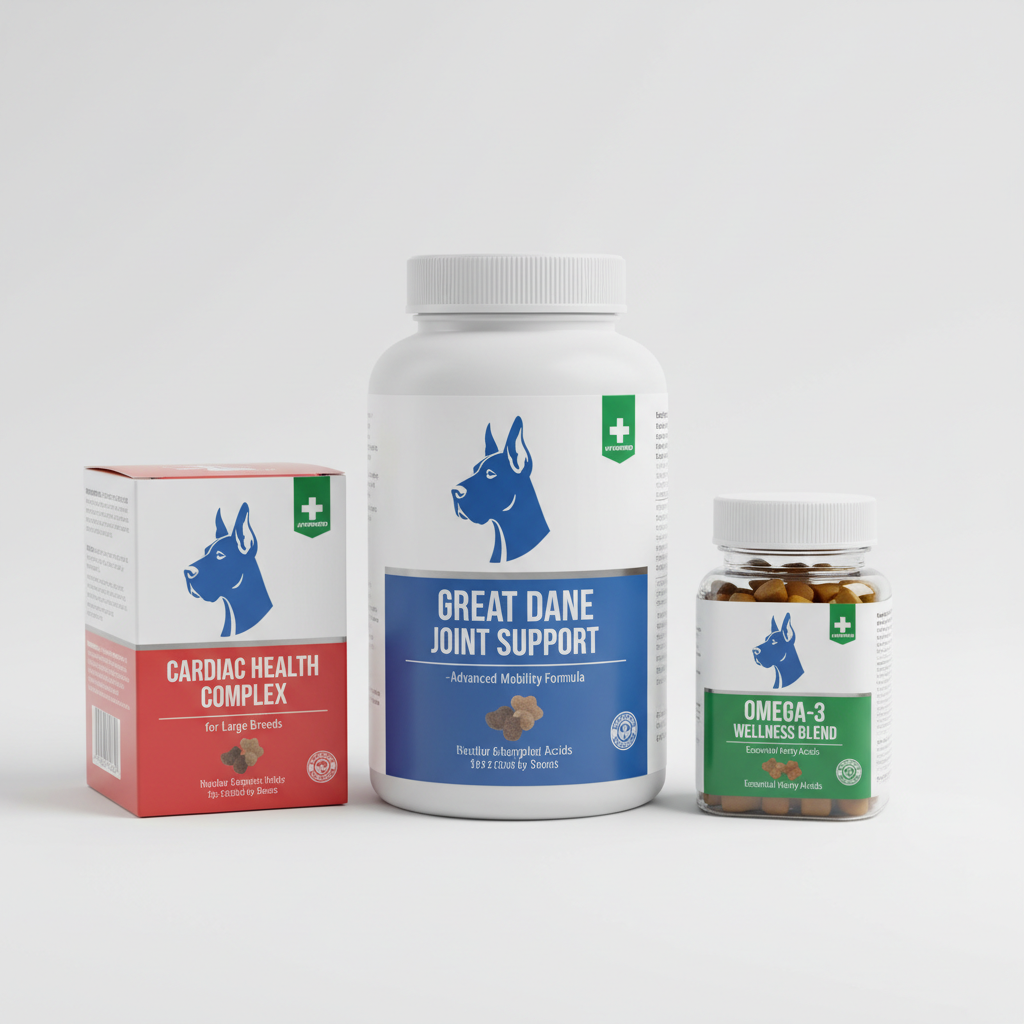
Gentle Giant Starter Bundle
Joint support · Cardiac CoQ10 · Large-breed probiotic
"My cardiologist recommended the CoQ10 specifically. Remy's echo showed improvement at 18 months."
— Priya M., Great Dane breeder, Portland OR
Hover any card.
Something surprises you.
Every article is written for a specific reader — hover to see the quick fact on the back, click to read the full piece.
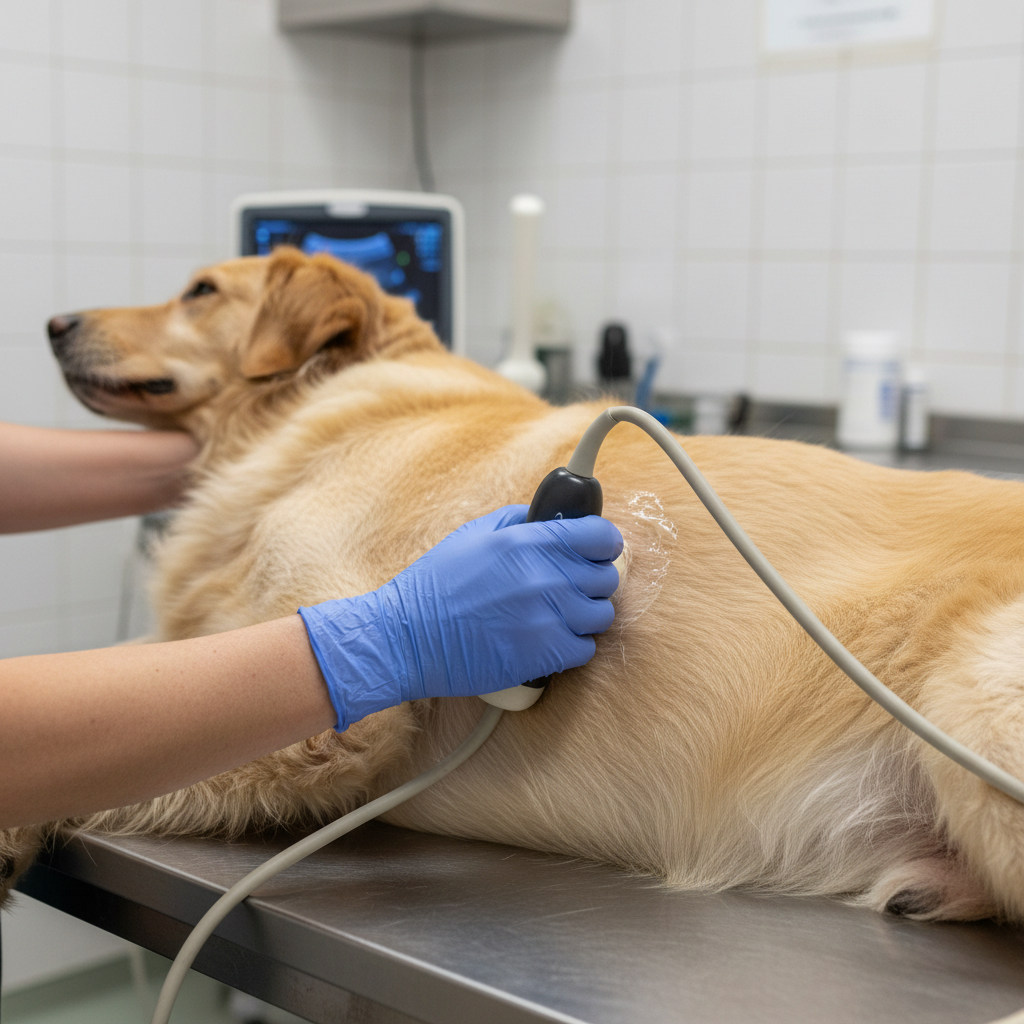
Why Your Dane Needs an Echocardiogram, Not Just a Stethoscope
Auscultation misses up to 40% of early DCM changes in Great Danes. Here's what the OFA's updated cardiac protocol actually requires.
For Breeders
Quick Fact
A Great Dane's heart can weigh up to 1 lb — roughly 4× larger than a human heart relative to body size.
Read the full article →
COI Explained: Why Coefficient of Inbreeding Matters More Than You Think
A COI above 6.25% doubles the risk of recessive health disorders. Calculating it before a planned litter takes 10 minutes.
For Breeders
Quick Fact
A COI of 12.5% is equivalent to breeding two half-siblings. Most responsible Dane breeders target COI below 5%.
Read the full article →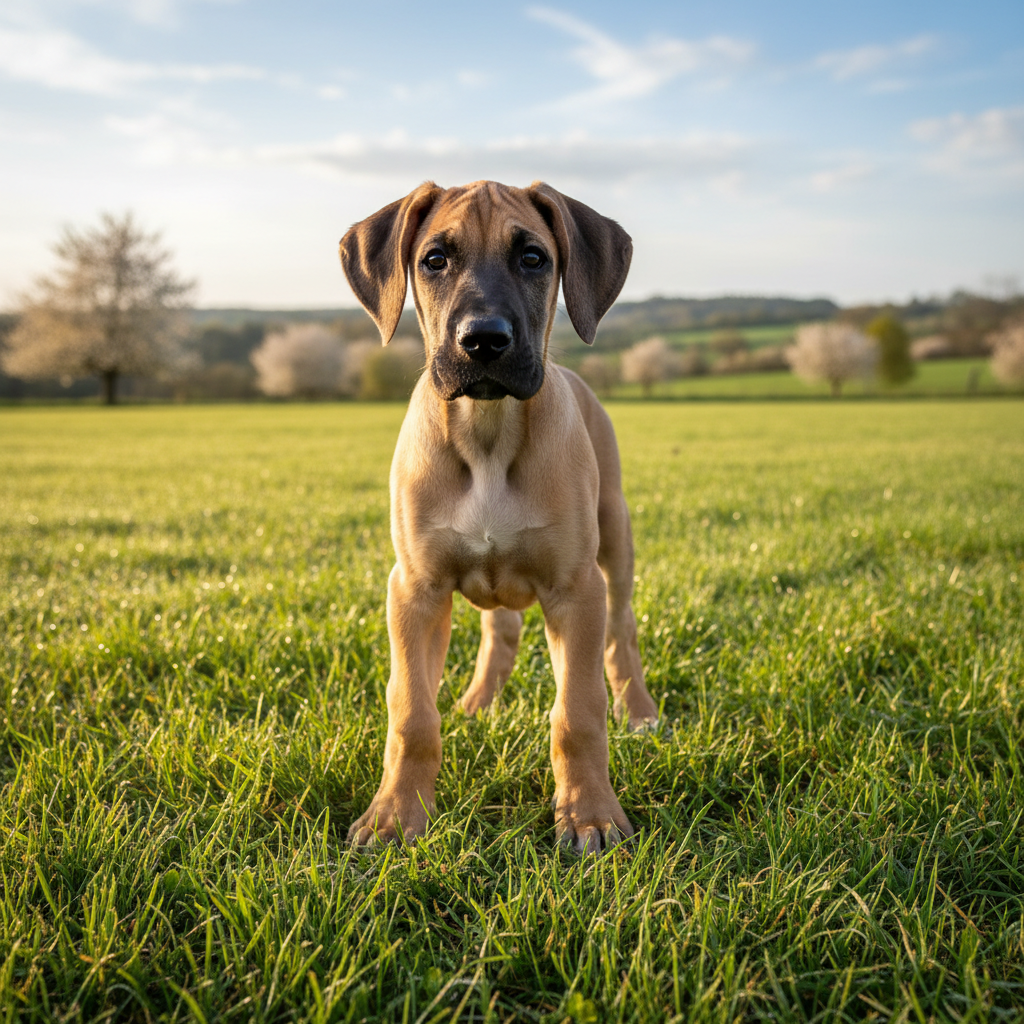
Knuckling Over in Great Dane Puppies: Nutrition or Neurology?
When a Dane puppy's paws fold under, the cause is almost always dietary — but the window to correct it is narrow.
For New Owners
Quick Fact
Calcium above 1.4% in puppy food disrupts bone growth in giant breeds. Most "all life stages" foods exceed this threshold.
Read the full article →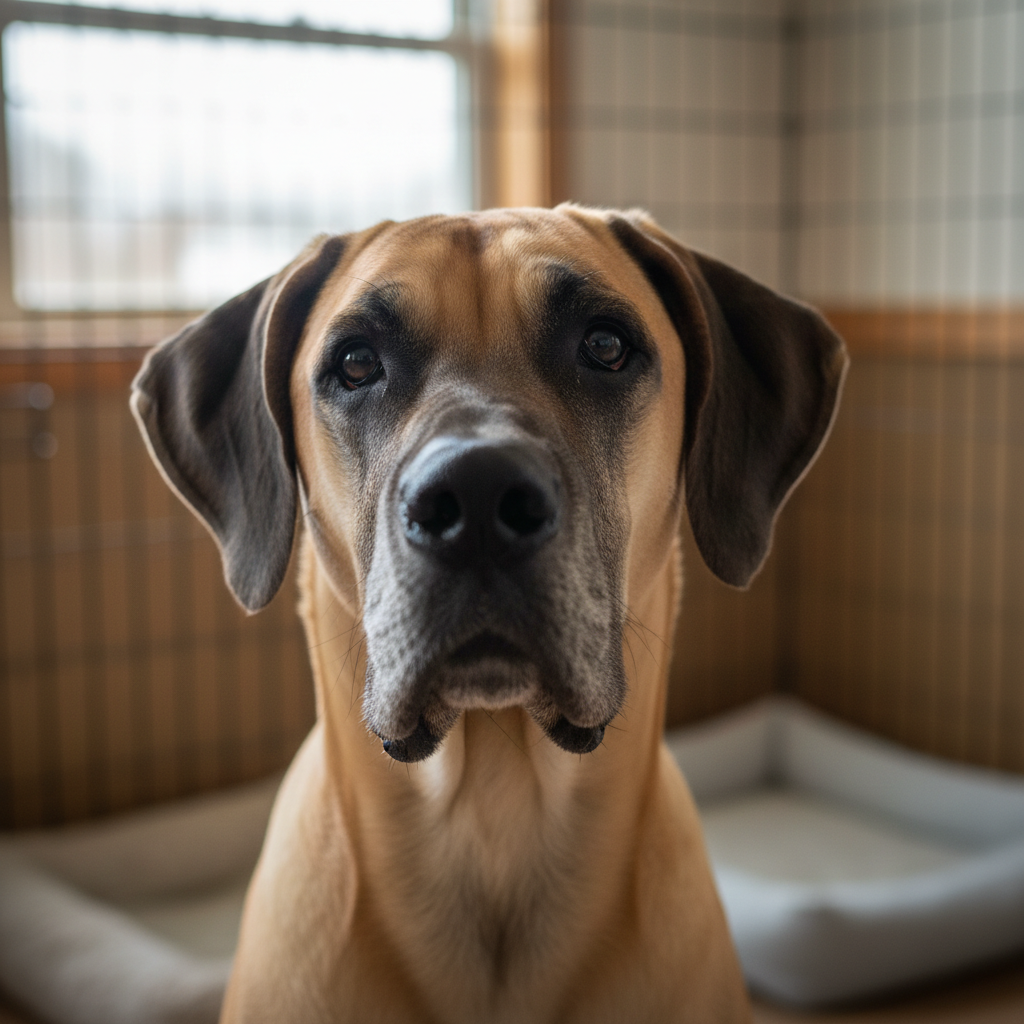
Reading Hip Radiographs From a Grainy Shelter Photo
Rescue volunteers can learn to spot moderate-to-severe hip dysplasia signs from a smartphone photo. Here's what to look for.
For Rescue Volunteers
Quick Fact
OFA grades hips as Excellent, Good, Fair, Borderline, Mild, Moderate, or Severe. Only E/G/F qualify for breeding certification.
Read the full article →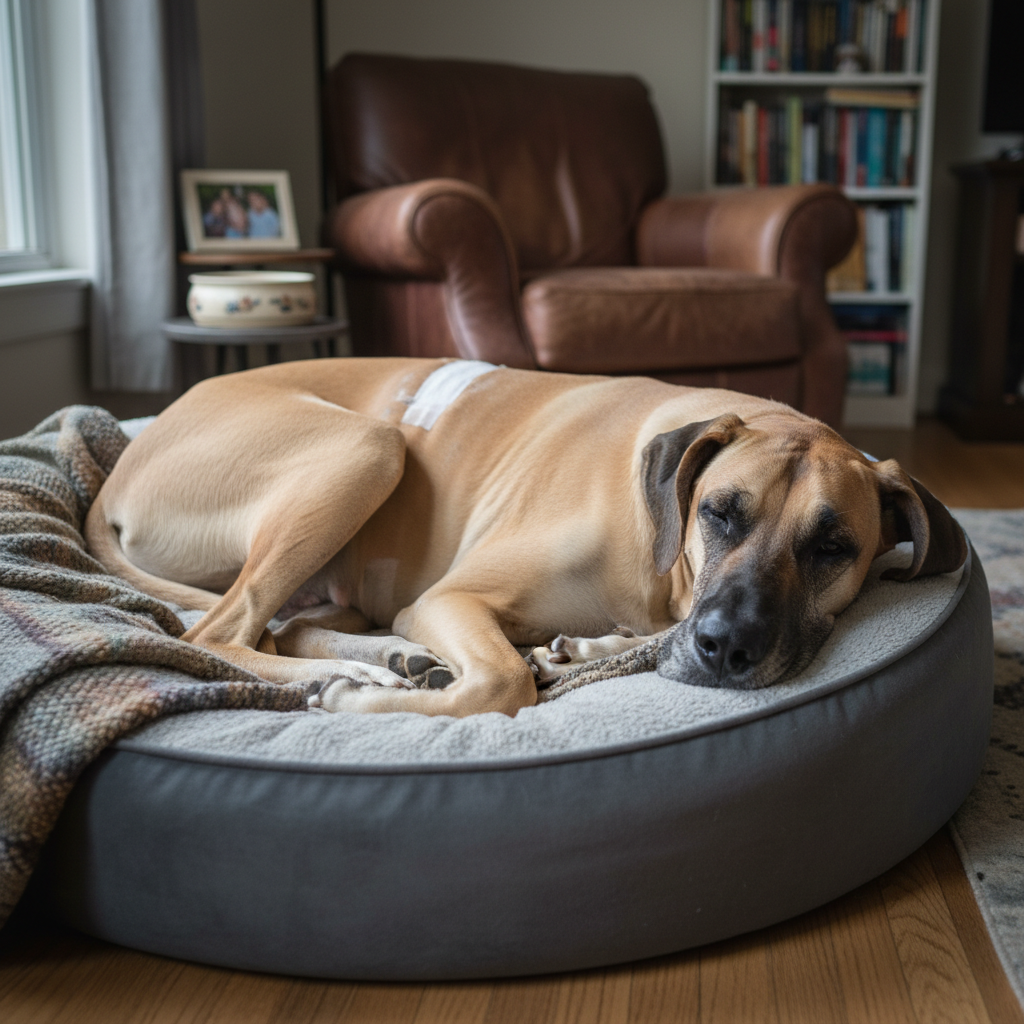
GDV (Bloat) in Great Danes: The 30-Minute Window That Saves Lives
Gastric dilatation-volvulus kills within hours. Prophylactic gastropexy reduces mortality risk by 29.6-fold. Here's what to discuss with your vet.
For All Owners
Quick Fact
Three genetic risk alleles for GDV have been identified in Great Danes: DLA88, DRB1, and TLR5 in the immune system genes.
Read the full article →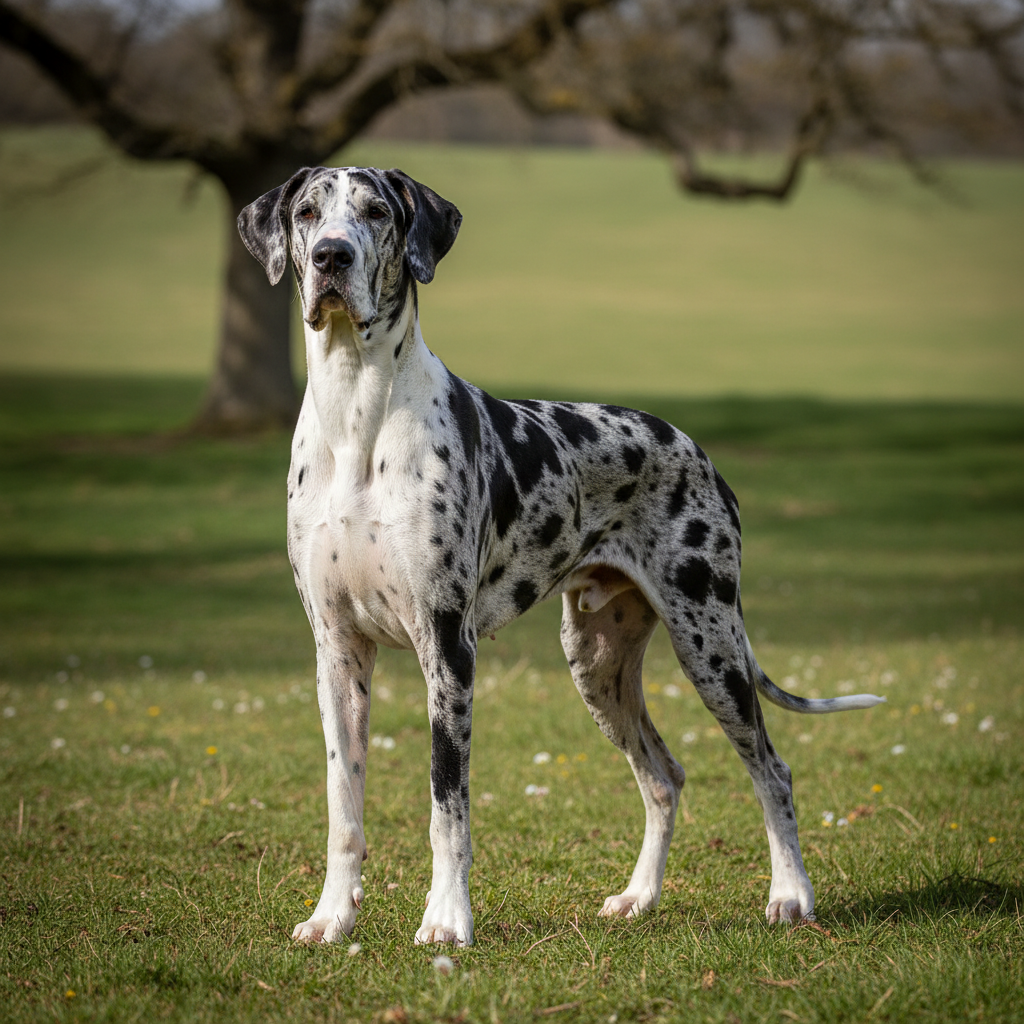
Harlequin, Merle, and Why Two Copies of "H" Is Lethal
The Harlequin pattern in Great Danes requires a precise genetic ballet. One wrong combination ends the pregnancy before it begins.
For Breeders
Quick Fact
Two copies of the Harlequin gene (H/H) has never been observed in a live Great Dane — it is presumed embryonic lethal.
Read the full article →Coat Color
Genetics Calculator
Tap the parent coat colors below and watch puppy predictions bloom. Based on simplified Mendelian inheritance for the GDCA color families.
Parent 1 — Sire (Father)
Parent 2 — Dam (Mother)
Select both parents above to see predictions
Why Two Harlequins Should Never Be Bred Together
Two copies of the Harlequin gene (H/H) has never been observed in a living Great Dane — it is presumed embryonic lethal. All Harlequin-patterned Danes carry exactly one copy of the H mutation. Breeding Harlequin × Harlequin produces statistically 25% H/H embryos that do not survive.
Three readers.
One conversation.
Whether you're Googling “puppy knuckling over” at midnight or comparing COI percentages before a planned litter — you're in the right place.
“I'd been Googling 'Great Dane cardiac testing' for months and getting contradictory answers. Gentle was the first place that explained why auscultation isn't enough and what an echocardiogram actually shows. I booked Odin's echo the next day.”

Cassandra Whitmore
First-time Dane owner
Nashville, TN
“The COI calculator walkthrough helped me understand why my planned breeding was riskier than I thought. I ended up selecting a different stud — one with a COI of 4.1% instead of 11.8%. The litter has been remarkably healthy.”
Marcus Delacroix
Great Dane breeder, 14 years
Lexington, KY
“We pull Danes from shelters and the hip-reading guide has been invaluable. I can now tell the difference between a dog that needs ortho intervention and one that just has a weird stance in a photo. Saves us from mis-assessing dogs.”
Tomoko Reyes
Rescue coordinator
San Diego, CA
Ready to go deeper?